
Coin Toss: Features, Odds & Play Guide
Coin Toss is listed in the cards category and presents a simple, quick-to-understand game title. To learn exactly how a round works, read the displayed rules and outcome options first; the listing itself does not specify a particular coin-flip mechanic or payout.
This guide helps you check the interface, interpret published return information carefully, and decide whether the pace and limits suit you. A Coin Toss Demo can be useful for learning controls only if a no-wager practice mode is actually offered.
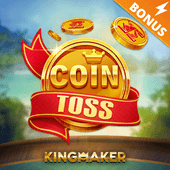
Category: cards. Confirm the actual game rules, available options, and displayed limits in the title's own interface before taking any action.
Coin Toss and other quick game listings


What to expect from Coin Toss
In brief: the title identifies a cards-category listing, but the available facts do not establish its precise round sequence or whether it follows a traditional heads-or-tails format. Treat the game's own rules panel as authoritative rather than inferring mechanics from its name.
Before playing, look for a clear explanation of the possible outcomes, how a choice is made, when a round is settled, and how the displayed stake relates to any return. If those details are not visible, pause and seek clarification. This simple check matters even when a game appears straightforward.
Use the feature information to compare what is verifiable: whether rules are accessible before a round, whether limits are shown, how the controls are labeled, and whether a practice option is available. The Coin Toss listing image helps identify the game, but it does not confirm its controls, odds, or special features.
For a wider comparison of the available catalog, Gates Of Olympus is a separate game listing. Compare titles by reading their own descriptions and rules; one game's category or presentation does not explain another game's mechanics.
- Format: listed under cards.
- Round details: verify choices and settlement in the game interface.
- Practice: use a no-wager mode only if it is explicitly provided.
- Limits: review stake and session controls before you begin.
How to approach a Coin Toss session
Start with the rules and a limit. Before opening a round, identify how the game accepts a selection and how it reports an outcome. Set a spending and time boundary that fits your entertainment budget, then stop when either limit is reached.
If you are new to the controls, read the help text before making a selection. A Coin Toss Demo may help you become familiar with the interface if a free practice mode is available, but a practice result cannot predict a later result. If the interface does not offer a demo, do not assume the listing guarantees one.
Once the rules are clear, use the same planned stake consistently instead of changing it to chase a previous outcome. Each round should be treated as uncertain. A sequence of earlier results does not make a particular next result due, and no routine can guarantee a win.
When comparing concise games, take the time to understand their distinct instructions. Toon Crash is another catalog option, not an extension of Coin Toss. Its own interface and rules should guide any decision about whether it suits your preferences.
For safer play, take breaks, avoid playing when distracted or upset, and never use funds set aside for bills or other essentials. Do not increase a stake to recover losses. If play no longer feels like entertainment, close the game and seek appropriate local support.
Understanding Coin Toss RTP and odds
RTP is a long-run statistical measure, not a forecast. If a game publishes a return-to-player figure, review its accompanying rules and methodology. The listing information here does not provide a verified RTP, exact odds, payout table, or jackpot amount for Coin Toss, so no numerical rate should be inferred.
RTP describes the theoretical proportion of total wagers returned over a very large number of plays under defined conditions. It does not tell you what will happen in one session or guarantee that a particular player will receive that percentage. Short-term outcomes can differ substantially from a theoretical average.
To assess a published figure responsibly, confirm that it refers to the exact game version and configuration you are viewing. Read whether the figure is theoretical, what game rules it assumes, and whether different modes or choices affect it. If an official figure is not displayed, treat the value as unknown rather than relying on estimates from unrelated titles.
Odds and RTP are related concepts but are not interchangeable: odds describe the chance of specified outcomes, while RTP summarizes a theoretical return across play. Neither tells you which selection will win next. For a different game option, Super Ace has its own information and should be assessed separately.
Use published figures as context for comparing documented rules, never as a reason to exceed your preset budget. Coin Toss remains an uncertain game, and the most reliable plan is to choose a limit you can afford and keep to it.
Coin Toss terms worth knowing
Outcome: the result recorded after a round completes. Check how the interface defines each possible outcome before making a selection; a title alone does not determine the game's result labels.
Stake: the amount committed to a round. Confirm the selected amount before submitting and make sure it remains within the limit you decided on in advance.
RTP: a theoretical long-run return measure, when officially published for the exact game. It is not a promise, a session target, or a prediction about the next outcome.
Demo: a practice mode that may allow control familiarization without a real-money wager. Availability varies; Coin Toss Demo should be understood as a possible mode to look for, not an assured feature.
Clear terminology makes it easier to compare instructions and identify missing information. If a rule, payout, or control remains unclear after checking the help panel, do not proceed until you understand it.
Coin Toss benefits and practical limitations
Why it may appeal: the title is presented in the cards category, and the listing artwork makes it easy to identify among catalog entries. A straightforward interface, if confirmed in the game itself, can be convenient for players who prefer brief rounds and direct instructions.
What to keep in mind: the listing does not confirm a classic coin-flip mechanic, particular wager choices, demo access, table limits, RTP, or payout terms. Those details must be checked in the live interface. Do not rely on assumptions, third-party estimates, or results from other games.
A simple format is not the same as a predictable result. Short rounds can also make it easy to play longer than intended, so plan a session length and spending cap before opening the game. Leave when the limit is reached, whether results have been positive or negative.
Use jolibet app casino access only through a trusted route and make sure you understand the terms presented for your account and location. Keep credentials private, avoid public or shared devices for account access, and review any account-related instruction through the official interface. The phrase jolibet link should refer to a route you have independently verified, not an unknown message or untrusted page.
If you choose to explore Coin Toss after reviewing its information, do so only where online gaming is legal for you and only as an adult. Playing is optional; taking a break or deciding not to play is always a sound choice.
A considered next step for Coin Toss
Now that you know what the listing does—and does not—tell you, first review the in-game rules, available options, and limits. If they are clear and the activity fits your budget and local requirements, you can choose whether to continue. Never treat a promotion or a practice result as a guarantee of a return.
Keep your session brief and within your planned boundaries. If you need more information, pause rather than guessing or increasing your stake.